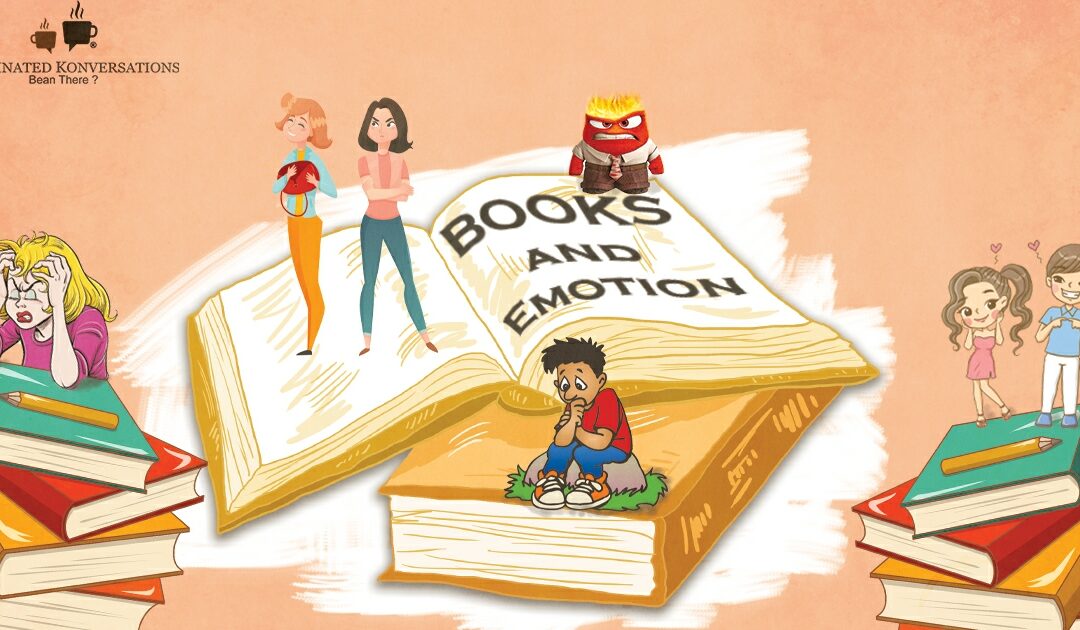
It would not be wrong for one to say that emotions are just results
of varying chemical levels in your brain, as it would not be wrong for
one to say that books are just ink on paper. And yet, both of these
hold such immense, unfathomable power over not just each other
but also the way people look at the world around them.
To separate words from the inherent, fundamental emotion that they carry,
the intentional or unintentional purpose behind their usage is impossible. May
it be influencing opinions or moving people into action, or just simply
expressing what the author feels at a given time, the careful and strategic use
of certain words in certain ways can prove to be instrumental in changing the
course of a situation or of a point of view. This is why writing appeals to me as
an art more than anything because the way that words achieve the
aforementioned feat is by tapping into the emotions of the reader and making
whatever situation portrayed in the story seem real and personal to them. So
as much as it is a craft relying heavily on getting the sentiment across, it can
also be viewed as a game of piecing the right words in the right places.
Reading thus becomes a journey not only into the world that the author builds but also a
journey into our own sense of how the world works, how people work and what morality is
for you. It becomes an experience of weeping in the middle of the night with a book in hand
because of the intensity of the connection that you feel with a character or of laughing giddily
on a crowded train because you get the humour in the novel that you are reading.
I remember being thirteen and reading the last few Harry Potter novels along with popular series like The Hunger Games and Divergent. Other than
the aches and pains of being a teenager, the anger that I felt so distinctly then also originated from the material that I was reading. That was the
time when my presence on the internet was really exposing me to narratives and aspects of the society that I had been pretty much sheltered
from earlier. I was reading about oppression and the idea of power and I could see and understand that in these dystopian novels. It was this
(though diluted) understanding of activism, justice and the sense of equality that made a home in my heart, evoking not just anger in me but also a
sense of passion and empathy in me.
Books like The God of Small Things were my first experiences of grief, loss and hurt while books like Heartstopper evoked a sense of euphoria.
Whatever book that I read, whatever emotion that I felt- it all made me look at the world with more attention given to its nuances and to its little
diversities.
It is this contradictory nature of humanness, this diversity of the human experience and yet the single thread of foundational emotive reaction that
ties us all together that is so magically represented through literature. My social status does not change the fact of the sentiment that books like
The Hungry Tide or A Thousand Splendid Suns bring about. There are such vast cultural and historical differences in the stories expressed in these
novels yet they do not fail to move you in unfathomable ways and I think that that is such a beautiful thing.
Thus, it comes back to the basics, to the chemistry of our brains and to ink on paper and all that unspoken and unsaid. It comes back to reading
between the lines and laughing in crowded trains, to being best friends with characters that don’t exist and being angry at injustice on the other
side of the world. To the unifying power that is reading.
———————————————————————————-
Contributed by Shivani Joshi.
Shivani is a music enthusiast, a bibliophile and an unapologetic tea addict. She is a literature student who is passionate about analysing literature and consuming diverse media.